I was talking to someone not too long ago and they told me they’ve been actively searching for a full year now.
I’ve heard that story before from other people, and the questions they ask themselves are largely the same:
I know I’m qualified. What am I doing wrong?
When will things finally start to work out?
How much more tailoring can I do?
Job searching is emotionally draining, full of rejections and ghosting, and it’s easy to feel stuck.
But here’s the thing: You can find real help.
What if, instead of spinning your wheels, you had: ✔ A clear plan for what to do next. ✔ The confidence to pursue roles that light you up. ✔ A group of people who are in this with you, cheering you on every step of the way.
That’s exactly what The Brave Club is here to provide: clarity, support, and a path that leads to more interviews, job offers, and more money.
And there’s still a couple days left to join at the early registration rate of just $75! Early Registration ends this Friday (tomorrow)!
Ask yourself this: “How will I feel if I ignore this opportunity and nothing changes for me in my job search between now and July 2025? How will I feel if I give this a shot and things change for the better?”
So, what do you say? Are you ready to stop spinning your wheels and start moving forward?
Here we are in mid-late January, so now is a GREAT time to get active in your job search!
And…job searching is hard. Very hard.
It’s easy to start questioning if all the effort is even worth it—especially when you’re facing it alone and dealing with rejections and ghosting.
But what if you could really learn how to start getting better results in your search?
What if, instead of spinning your wheels, you had: ✔ A clear plan for what to do next. ✔ The confidence to go after roles that truly excite you. ✔ A supportive group of people who are right there with you, cheering you on.
Well, that’s exactly what The Brave Club is all about: Finding your way forward through all the confusion.
With just a few days left to snag Early Registration pricing (ends this Friday!), there’s no better time to kick it into gear.
Wanna know what some of the benefits were according to people who joined? Check it out:
Identifying your transferable skills
Articulating your short- and long-term goals
Describing and emphasizing the impact you’ve had
Writing a compelling resume
Negotiating
Navigating LinkedIn, cover letter writing, and networking
Don’t get me wrong, it’s not fun. It’s just that tailoring your resume to match the job description probably doesn’t need to take as long as you might think, assuming that you’re largely applying for the same type of job over and over again.
Maybe 15 minutes in that case.
Once you get the branding down well, it should not be taking you hours to craft a resume to fit a job you’re applying to. So read on for some initial crafting tips.!
First, Why Tailor Your Resume?
When hiring managers review resumes, they’re looking for candidates who align closely with their specific needs. A tailored resume quickly shows that you’ve taken the time to understand the role and helps highlight why you’re the perfect fit.
Four Pillars of Effective Resume Tailoring
1. Job Title Alignment
Your job titles are often the first things recruiters notice, and they give a quick impression of what your experience and skills are. Make them count by:
Using industry-standard titles that align with your target role
Ensuring titles accurately reflect your responsibilities while matching the target role’s terminology (if the title doesn’t accurately reflect your responsibilities it can come off as being deceptive. Or ya know…lying.)
Adding contextual titles in parentheses when needed for clarity (e.g., “Project Lead (Technical Learning Specialist)”)
2. Keyword Optimization
The right keywords can make the difference between your resume being seen or overlooked:
Mirror key terms from the job description thoughtfully
Focus on relevant skills and achievements/outcomes that match the role
Remove or downplay unrelated experience that might distract from your core qualifications
3. Outcome/Result Framing
It’s not just what you did—it’s how you frame it and what happened as a result:
Highlight accomplishments most relevant to the target role
Quantify results in ways that matter for the position
If you’re having a hard time quantifying things (looking at you, Higher Ed and Non-Profit professionals), use qualitative/descriptive outcomes
Use industry-specific metrics that resonate with hiring managers
Transform generic achievements into role-specific wins
4. Responsibility Focus
Every bullet point should serve a purpose:
Emphasize duties that align directly with job requirements
De-emphasize or remove unrelated responsibilities
Use similar language to the job posting to demonstrate alignment
Focus on transferable skills when switching industries
The Golden Rule: Maintain Authenticity
A crucial aspect of resume tailoring is maintaining honesty throughout the process. Tailoring is not about fabrication or making stuff up—it’s about presenting your genuine experience through the most relevant lens for each specific role. Think of it as translation rather than transformation. You have to help people understand how relevant your experience and skills are.
Practical Tips for Implementation
Create a Master Resume
Keep a comprehensive document with all your experience
Use this as your base for creating tailored versions
Create a Resume Version for Each Role Type You Apply For
You’ll want a version that aligns with each of your target role types
Tailoring within a role type shouldn’t take you long
Analyze the Job Description
Highlight key requirements and qualifications
Note specific terminology and phrases used
Identify the most important skills and experiences sought after
Make Strategic Choices
Prioritize relevant experience by reorganizing bullet points
Consider the company’s culture and values
Review and Refine
Double-check alignment with job requirements
Ensure all information remains accurate
Proofread carefully after making changes
The Bottom Line
Resume tailoring is not so much about creating different versions of yourself—it’s about highlighting the most relevant aspects of your experience for each opportunity. When done correctly, it helps employers quickly understand your value proposition and increases your chances of landing an interview.
Remember: Your resume is often your first impression. Make it count by presenting your experience in a way that resonates with each specific opportunity while staying true to your professional story.
The Brave Club!
If you’re looking for a way to be more effective in your job search (in other words, get better at landing interviews and jobs), come join The Brave Club!
It’s my group coaching program designed for job seekers. If you’re an educator, leader, or career pivoter, this was built for you.
The Brave Club is a more affordable/accessible coaching option that provides you with community, strategy, accountability, and confidence you can use to more skillfully and successfully navigate the circus that is the job search.
Check out some quick details below:
6 45 minute group sessions focusing on Branding, Resume Development, Job Alignment, and Negotiation
Access to the private Facebook group for members
Regular job search advice straight to your email inbox
Open office hours for you to get specific answers to your questions
Early Registration starts today! Register as an early member by Friday, January 24th and you can get in for only $75!
Click here to learn more and get started with bolstering your job search!
Here’s what someone from the pilot group had to say about their experience in The Brave Club:
I had a great experience for someone that has a non traditional job and has not worked in a corporate environment it definitely made me start to think differently in my current role. I feel more confident having the tools to start applying I am not as scared. I highly recommend anyone to join (already have a few friends that are interested). Come in ready to share job search and interview experiences.
-Alicia S.
This is your sign! Come sign up and let’s get to it. See ya there!
The new year is right around the corner, and with it comes the promise of fresh opportunities. As hiring tends to pick up early in the year, now is the time to set yourself up for success. Whether you’re looking to pivot careers, step into a new role, or simply explore what’s out there, a little preparation now can make all the difference when the time comes.
Here’s your quick guide to getting ahead of the competition:
1️⃣ Build a Routine Now
Job searching is a grind. It’s not something you can typically sprint through—it’s more like a marathon. There are going to be moments when your energy dips, rejection emails pile up, and motivation feels out of reach. That’s where a solid routine comes in.
A routine creates structure, helping you stay organized and consistent even when things get tough. Start by setting aside regular time blocks for job searching, networking, or updating your application materials. Break big tasks into smaller, manageable steps, and set realistic goals for yourself each week.
By establishing these habits now, you’ll have systems in place to fall back on when hiring season ramps up. You’ll be running on a process you’ve already mastered rather than scrambling to piece things together. Remember: consistency beats intensity over the long haul.
2️⃣ Define Your Brand
What makes you stand out? If your answer is limited to your skills or experience, you might be missing the bigger picture. The job market is more competitive than ever, and a solid personal brand can be the key to rising above the noise.
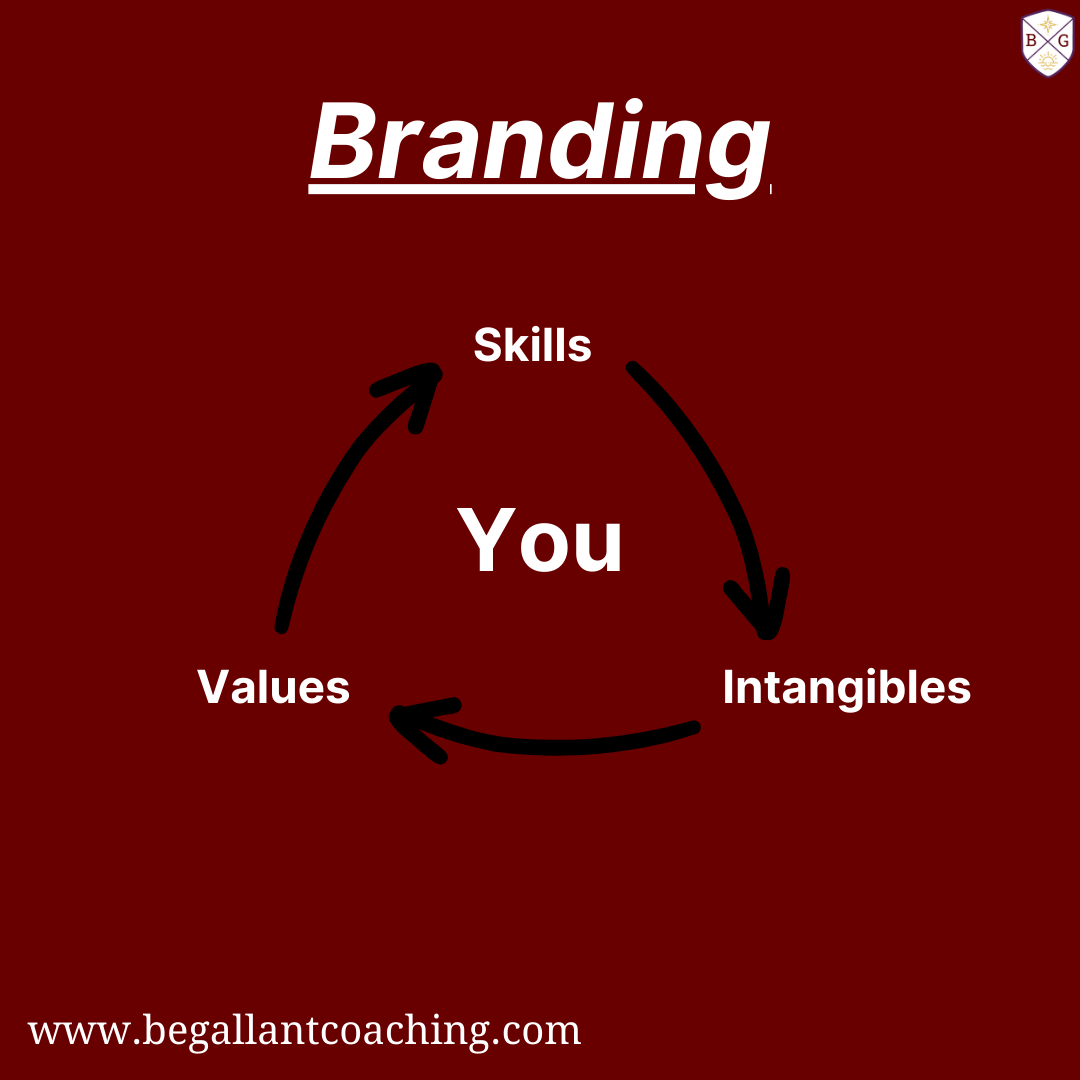
Your personal brand is the unique combination of your story, values, approach, and expertise. It’s what sets you apart from other candidates with similar resumes. Ask yourself:
What do I want people to remember about me after a conversation or an interview?
What unique strengths, experiences, or perspectives do I bring to the table?
How do I want to present myself online, in my resume, and in interviews?
Start building your brand. Then, refine your LinkedIn profile, polish your resume, and practice how you talk about yourself in networking or interview settings. The more authentic and clear your brand is, the more you’ll attract the right opportunities.
3️⃣ Identify the Right Role Types
If you’ve been applying for jobs and not getting any interviews, it might not be your skills—it might be your strategy. Too often, job seekers cast a wide net, applying for anything that seems remotely close to their experience. But that approach isn’t super effective.
Instead, focus on alignment. What types of roles are you particularly suited for? What industries, job titles, or responsibilities match your current skills and goals? And equally important, where are the gaps?
For example, you might discover roles you’re excited about but aren’t particularly well-suited for yet. That’s not a dead end—it’s an opportunity to tailor your approach. Update your resume to highlight transferable skills, adjust your personal brand to emphasize your potential, or take a course to bridge a skill gap.
Applying strategically—rather than applying broadly—will save you time and energy while increasing your chances of landing interviews for the roles that are truly right for you.
Your Time Is Coming
The job search process can feel overwhelming, but preparation is your secret weapon. By building a routine, defining your personal brand (click here to check out my branding program!), and targeting the right roles, you’re positioning yourself for success.
When the new year arrives and companies start posting those job openings, you won’t just be ready—you’ll be ahead of the pack.
Need help getting started? You don’t have to do it alone. Message me, and I’ll get your questions answered. Let’s make this the year you achieve your career goals!
Here it is, plain and simple: start applying for jobs.
It might sound obvious, but as a coach I see a whole lot of people hold themselves back from actually getting in the pool.
And yeah, there’s plenty of advice out there about what you should be doing during a job hunt—polishing your resume, growing your network, building your personal brand.
And those are all important! But none of it matters much if you’re not actually sending out applications.
The facts: it’s really hard to land a job if you’re not putting yourself in the running.
Why This “Simple” Step Is Often Overlooked
So, I’ve noticed a trend. Many people hesitate to apply for jobs because they feel like they’re not “ready.” Maybe their resume isn’t perfect yet. Maybe they’re unsure if they’re qualified. Maybe they’re overwhelmed by the process and don’t know where to start.
But here’s the thing: perfection is overrated, and momentum is everything. The more you apply, the more you’ll refine your approach. You’ll learn what works, you’ll get more comfortable tailoring your materials, and you’ll start to see patterns in job descriptions that clarify what employers are really looking for.
Building The Habit
One of the biggest hurdles is establishing the habit of routinely applying for roles. Job searching can feel like a full-time job in itself, but it doesn’t have to consume your entire day. The key is consistency. Dedicate specific time blocks to job applications—whether that’s 30 minutes a day or a couple hours a week.
When you prioritize this habit, you’ll notice a shift. Suddenly, job searching feels less overwhelming and more like a manageable part of your routine.
Action Steps To Get Started
Ready to get them applications out? Here’s how to make it happen:
Set a goal: Decide how many jobs you’ll apply for each week. Start with a realistic number and adjust as you gain momentum.
Create a schedule: Block out time on your calendar for job applications. Treat it like an important appointment.
Start small: If you’re feeling stuck, pick one role to apply for today. Sometimes, just starting is the hardest part.
Track your progress: Use a spreadsheet or a job search tracker to stay organized. Logging your applications can help you stay motivated and identify follow-up opportunities.
Final Thoughts
Job searching is a process, and like any process, it works best when you keep moving forward. You don’t need to have it all figured out before you start. The most important thing is to take action.
So, what are you waiting for? Get those apps out—and take the first step toward your next opportunity!
Looking for some accountability and guidance? Come talk to me about my coaching programs. Getting started and knowing what to do can make this process of finding your next job SO MUCH EASIER.
“Hire him! If you are ready for change, ready to do the work, and receive honest feedback Hire him! Best money I’ve spent this year!”
-Adetola O.
Click here to schedule a free consultation with me. It’ll be quick and easy. I promise.
So we’ve all seen that submitting the same generic resume for every position simply doesn’t cut it anymore. The key to standing out lies in strategic branding, targeted networking, and–of course–resume tailoring.
That means you gotta customize your resume for specific roles while maintaining complete truthfulness. I have a comprehensive guide to mastering this essential job-seeking skill for y’all. Keep reading!
Why Tailor Your Resume?
When hiring managers review resumes, they’re looking for candidates who align closely with their specific needs. A tailored resume quickly shows that you’ve taken the time to understand the role and helps highlight why you’re the perfect fit.
Four Pillars of Effective Resume Tailoring
1. Job Title Alignment
Your job titles are often the first things recruiters notice, and they give a quick impression of what your experience and skills are. Make them count by:
Using industry-standard titles that align with your target role
Ensuring titles accurately reflect your responsibilities while matching the target role’s terminology (if the title doesn’t accurately reflect your responsibilities it can come off as being deceptive. Or ya know…lying.)
Adding contextual titles in parentheses when needed for clarity (e.g., “Project Lead (Technical Learning Specialist)”)
2. Keyword Optimization
The right keywords can make the difference between your resume being seen or overlooked:
Mirror key terms from the job description thoughtfully
Focus on relevant skills and achievements/outcomes that match the role
Remove or downplay unrelated experience that might distract from your core qualifications
3. Outcome/Result Framing
It’s not just what you did—it’s how you frame it and what happened as a result:
Highlight accomplishments most relevant to the target role
Quantify results in ways that matter for the position
If you’re having a hard time quantifying things (looking at you, Higher Ed and Non-Profit professionals), use qualitative/descriptive outcomes
Use industry-specific metrics that resonate with hiring managers
Transform generic achievements into role-specific wins
4. Responsibility Focus
Every bullet point should serve a purpose:
Emphasize duties that align directly with job requirements
De-emphasize or remove unrelated responsibilities
Use similar language to the job posting to demonstrate alignment
Focus on transferable skills when switching industries
The Golden Rule: Maintain Authenticity
A crucial aspect of resume tailoring is maintaining honesty throughout the process. Tailoring is not about fabrication or making stuff up—it’s about presenting your genuine experience through the most relevant lens for each specific role. Think of it as translation rather than transformation. You have to help people understand how relevant your experience and skills are.
Practical Tips for Implementation
Create a Master Resume
Keep a comprehensive document with all your experience
Use this as your base for creating tailored versions
Create a Resume Version for Each Role Type You Apply For
You’ll want a version that aligns with each of your target role types
Tailoring within a role type shouldn’t take you long
Analyze the Job Description
Highlight key requirements and qualifications
Note specific terminology and phrases used
Identify the most important skills and experiences sought after
Make Strategic Choices
Prioritize relevant experience by reorganizing bullet points
Consider the company’s culture and values
Review and Refine
Double-check alignment with job requirements
Ensure all information remains accurate
Proofread carefully after making changes
The Bottom Line
Resume tailoring is not so much about creating different versions of yourself—it’s about highlighting the most relevant aspects of your experience for each opportunity. When done correctly, it helps employers quickly understand your value proposition and increases your chances of landing an interview.
Remember: Your resume is often your first impression. Make it count by presenting your experience in a way that resonates with each specific opportunity while staying true to your professional story.
Looking for help enhancing your job search? Let me know! What’s your biggest challenge in your job search right now?
I recently saw in LinkedIn’s latest Workforce Confidence survey that people on average are feeling less confident in their careers.
The survey looks at how confident folks are about moving up in their careers, getting and keeping jobs, and improving their financial situations, all scored on a scale from -100 to +100. The average confidence score has dropped to +24, down from +32 at the start of the year.
I work daily with both unemployed and employed people, and I see this lack of confidence all the time. It’s understandable. The job market is super competitive these days and everything is getting more expensive (a bag of chips and a 20oz drink at the gas station is like $7 now?!).
If you’re unemployed, the job search can be frustrating and even depressing. You might be qualified, but landing a job is still ridiculously hard. If you’re employed but looking for a change, finding a new job or getting a promotion can seem nearly impossible. So everyone’s confidence is in the gutter.
So then, how can you build confidence in your ability to navigate, advance, and manage your career? One great way is to stay curious. Here’s 5 quick tips for inquiring minds on how to use your curiosity to up your confidence:
Embrace Curiosity to Boost Career Confidence
Look Beyond Your Current Field or Department:
Check out roles outside your industry, company, or department. You might find exciting possibilities you hadn’t thought of.
Explore Opportunities Within Your Current Sphere:
Look for new roles or responsibilities in your current field, company, or department. Sometimes, the best opportunities are right under your nose.
Learn from Others in Interesting Jobs:
Talk to people in roles you find intriguing. Their career paths and daily routines can offer valuable insights.
Expand Your Network:
Connect with both people you know and new contacts. Expanding your network can lead to unexpected opportunities and fresh perspectives.
Reflect on Personal Barriers:
Think about what might be holding you back. Understanding your own obstacles is the first step to overcoming them.
Approaching your career with curiosity helps you gather information. This leads to greater clarity, helping you spot gaps in your skills or knowledge. By addressing these gaps, you unlock new opportunities and gain a sense of control over your career path, boosting your confidence.
In a tough job market, staying curious and proactive can make a huge difference. Embrace curiosity, seek out new information, and take steps to bridge your gaps. This proactive approach can help you navigate your career with more confidence and optimism.
If you’re job searching, know (or suspect) you’re qualified, and not getting the results you’re looking for, that can impact your confidence in a not so good way.
Come chat and let’s see what’s up. Click here to get your spot. They’re already starting to go since I announced this on LinkedIn yesterday!
The fall is approaching, so employers are coming back from vacations with hopes of getting jobs filled to close out the year. Let’s use this part of the summer wisely!
Now keep your hand up if you feel like you’re having 0 luck landing a job despite having transferable skills.
Awkward.
In theory, transferable skills are super valuable. In fact, you can google transferable skills and find all kinds of blogs and articles talking about how in-demand they are.
In reality, though, what tends to happen is transferable skills don’t land you a job.
Transferable skills on their own will not land you a job.
On their own, they are kinda useless.
There’s hope, but first, let’s look at why I’m telling you they’re useless on their own.
AN EXAMPLE
Let’s say I’m a hiring manager, and I’m hiring for a Project Manager role. There are 100 candidates in the pool for this position.
Keep in mind that my hiring team and I have limited time and resources.
Why would I hire a teacher with transferable skills, when there’s 30 perfectly good project managers in the pool?
What are the chances of that?
What are the chances of me using my limited resources to even interview that teacher with transferable skills when I could just interview the 30 perfectly good project managers?
The odds are probably not very good.
Now if I had UNLIMITED resources (i.e. time, money, energy, hands, etc.), then sure I might take the time to really dive into exploring how actually useful and relevant your transferable skills are (they are). I might actually come to understand how effective you are at delivering the results I need via your transferable skills, especially once you’ve been trained.
But I don’t have unlimited resources, sooo I’m probably just gonna make it easy on myself and hire someone who’s already a project manager. Sorry.
This is why you’re not getting interviews or jobs off the strength of your transferable skills.
But again! There’s hope!
In order for your transferable skills to be useful, you have to do something with them.
You have to translate them.
HOW DO YOU DO THAT?
First of all, you have to identify what your relevant transferable skills are. What is it that you can do that would be useful in a different context? What functions have you performed that require abilities you could use in a new field or role type?
You have to be intentional and specific about this step first and foremost.
Once you’ve identified them, it’s time to learn how to tell stories about them. In particular, it’s time to stop talking about your “teacher” experience like teacher experience, and instead start talking about it like “project manager” experience.
An employer is not going to connect the dots between your transferable skills and the role for you. You have to do it for them.
This second step is the part that trips people up. In order to talk about your teacher experiences and skills like project manager experiences and skills, you need to learn how project managers talk about their stuff.
What do you know about what project managers actually do on the day-to-day? What tasks and functions do they execute? What terms and lingo do they use? What outcomes do they work toward (emphasis on this part)? So on and so forth.
You gotta learn how to tell the story correctly, and that means telling it in a way that is (1) recognizable and (2) speaks to the relevant impact you can have through your skills.
Without this, your transferable skills will not do you much good.
BRANDING PLAYS A ROLE
Part of developing your brand is identifying your core tools, and learning how to sell/pitch them. In other words, what skills are you really really good with, and how well do you convey your proficiency with them?
Getting your framing down.
When you get really clear on your brand, you’ll be more aware of your core skills. You’ll become better at telling stories about how you have and can use them. You’ll be more effective at conveying your ability to drive impact and outcomes.
And this will help you translate your transferable skills into a set of tools that can actually help you land that project manager role.
If you’re looking to pivot from one role type or field to another, branding is a valuable step for you.
Would you be able to tell me about your brand right now? If the answer is no, we should talk.
I’m running a Build Your Transferable Brand program designed to help you put together your brand in 2 1-on-1 sessions with me. The details and benefits? See for yourself:
It’s a $400 program, but you can get it for $300 for the next 7 days! This deal is vanishing on August 2nd!
Let’s get to it right now so you can be up and running in time for the fall (as in, when hiring typically picks back up again).
You might be a nervous interviewer. I see lots of people who are anxious before their interviews. It’s natural. It’s a sign you care a lot. It also sucks because it gets in your way of performing well and landing that dang job.
BUT, with the right mindset and preparation, you can approach your next job interview with confidence and boost those chances of success. Let’s explore some tips and insights I share with my clients that can help you navigate the interview process with more ease.
#1: YOU ARE QUALIFIED! EMBRACE THAT AND RELAX
Most people who struggle with interviews often experience anxiety because they anticipate being asked questions they either won’t be able to answer at all, or won’t have a good answer to.
However, if you’re applying for jobs you know you’re qualified for, the chances of running into a question you can’t handle are pretty close to zero.
Remember, the only reason you’re even in the interview is because you have the skills and experience the employer is seeking. Rather than letting anxiety take over, allow yourself to relax and trust in your abilities. When you’re relaxed, you’re more likely to feel confident and provide thoughtful responses.
They are not going to stump you!
#2: BRING YOUR PERSONALITY TO THE INTERVIEW
It’s easy to slip out of your natural personality in an interview because the power dynamic can make you nervous. To combat this, consciously remind yourself to stay grounded in your personality in the interview.
One thing that can help you stay in your personality is breaking the ice early. Try making a casual observation about the interviewer’s room or background during the initial introductions.
For example, you could say something like, “Wow, I just gotta say, your cork board is huge! I need me something like THAT!” or “Before we start, I just wanna say your background kinda reminds me of that one scene in Finding Nemo!” or “I see the sun is shining where you are, and it’s reminding me I need to go get some sun today!”
These small personal touches can help you relax and allow your true personality to shine through.
#3: PAUSE BEFORE RESPONDING
Even when you know you have a solid answer to a question, resist the urge to respond immediately.
Instead, take a brief pause – a second or two – before answering. Look up, thoughtful as always, and then provide your response. This small pause can help you gather and organize your thoughts, preventing rambling or incoherent answers.
Additionally, it conveys valuable intangibles to your interviewers, such as confidence, an ability to think carefully on your feet, and comfort handling pressure (even if you don’t actually feel that way in the moment).
And there ya go! Start with these tips, and go from there.
Remember, if you’re applying for jobs that align with your qualifications, you’re likely to have good answers to the interview questions.
By embracing your qualifications, bringing your personality to the interview, and pausing before responding, you’ll help yourself take the edge off your anxiety in your next job interview.
Good luck out there interviewers!
Curious about more?
You’re job searching–or thinking about job searching–and not having a good time?
You’re putting off job searching because you’re worried about the stress?
Yeah it’s hard out there.
Coaching might be a good resource for you, but if you’re like most people, you’re probably not sure.
If you’d like to know more about coaching, how it has helped others in your situation, and how it can help you, fill out your info below or email me at brandon@begallantcoaching.com.
I’ll send you a quick email with some brief information you can read and digest on your own time.
Let’s talk about something more valuable than your resume in the job hunt jungle: your brand.
Does it sound like a marketing buzzword?
Yes.
But IS it some kind of marketing buzzword?
…yes. But it’s actually the real deal this time.
It’s not just about what’s on your resume; it’s about who you are and how you present yourself to the world.
So, I’ve been chatting with a bunch of people lately (including some of you reading this), one on one, and when I ask about their brand, I see a lot of deer-in-the-headlights looks.
Blank stares, awkward laughs, you name it. I’ve also been hearing a lot of confusion on things like how and where to start in the job search, especially for those of y’all who are looking to change industries. Very understandable. It’s like we’re all in this maze, and nobody’s sure where the exit is.
But here’s the thing: your brand is your map. It’s what guides you to the right opportunities and helps you stand out from the crowd (click here for help on that).
Here are four solid reasons why nailing your brand is the key to job hunting success:
1. CAREER ALIGNMENT
Ever feel like you’re wandering aimlessly through a job fair, not sure which booths to check out? Your brand is like a compass, pointing you toward roles that fit your skills and values like a glove. It’s all about finding your groove and going after the gigs that make your heart sing, both from a values standpoint and a skills standpoint.
2. IMPACT COMMUNICATION
Hiring managers are busy people. Recruiters are also busy people. They don’t have time to decode your resume and figure out what you bring to the table. You need to be able to do this quickly by identifying what’s important to them, and drawing accurate parallels between what they need and what you have. That’s where your brand comes in handy. It’s your elevator pitch, your value proposition, your secret sauce for showing them why you’re the right person for the job. It’s what allows you to clearly communicate how you can move the needle in a way that is unique and necessary.
Oh, and if you’re wondering about how to communicate the transferability of your skills (I’m lookin’ at y’all, education and non-profit professionals) this is at the core of that.
3. NETWORKING PROWESS AND OPPORTUNITIES
You’ve heard the saying, “It’s not what you know, it’s who you know.” Well, your brand is your VIP pass to the networking party. When people know who you are and what you’re all about, they’re more likely to hook you up with the right opportunities and introduce you to their circle of connections.
4. CONSISTENCY & RECOGNIZABILITY
Think of your branding as your personal logo. You want it to be consistent across all your job hunt materials — your LinkedIn profile, your resume, your cover letter, you name it. That way, when employers see your brand popping up everywhere, they’ll recognize you and remember you more.
Figuring out your brand is not obvious, but it’s worth the effort. So, if you’re feeling lost in the job hunt wilderness, take a step back, pour yourself a cup of coffee, and let’s figure it out together.
The Build Your Transferable Brand program is meant to help you craft a brand that you are clear on and ready to use to your advantage in your job search.
Your brand will help you set yourself apart from others via the stories you craft in your resume and cover letter, interviews, LinkedIn, and networking opportunities. The transferability of your skills and the value of your impact will be clearer to the people you come in contact with.
And it’s only two sessions! If you’re still job searching or considering a pivot, meet with me for two sessions and I’ll have you up and running with a newly crafted brand you can actively use to your advantage this spring.
Early bird pricing is still active, so the program is only $295 and will last until May 5th. Click here and let’s get started!







 Be Gallant Coaching